


Introduction
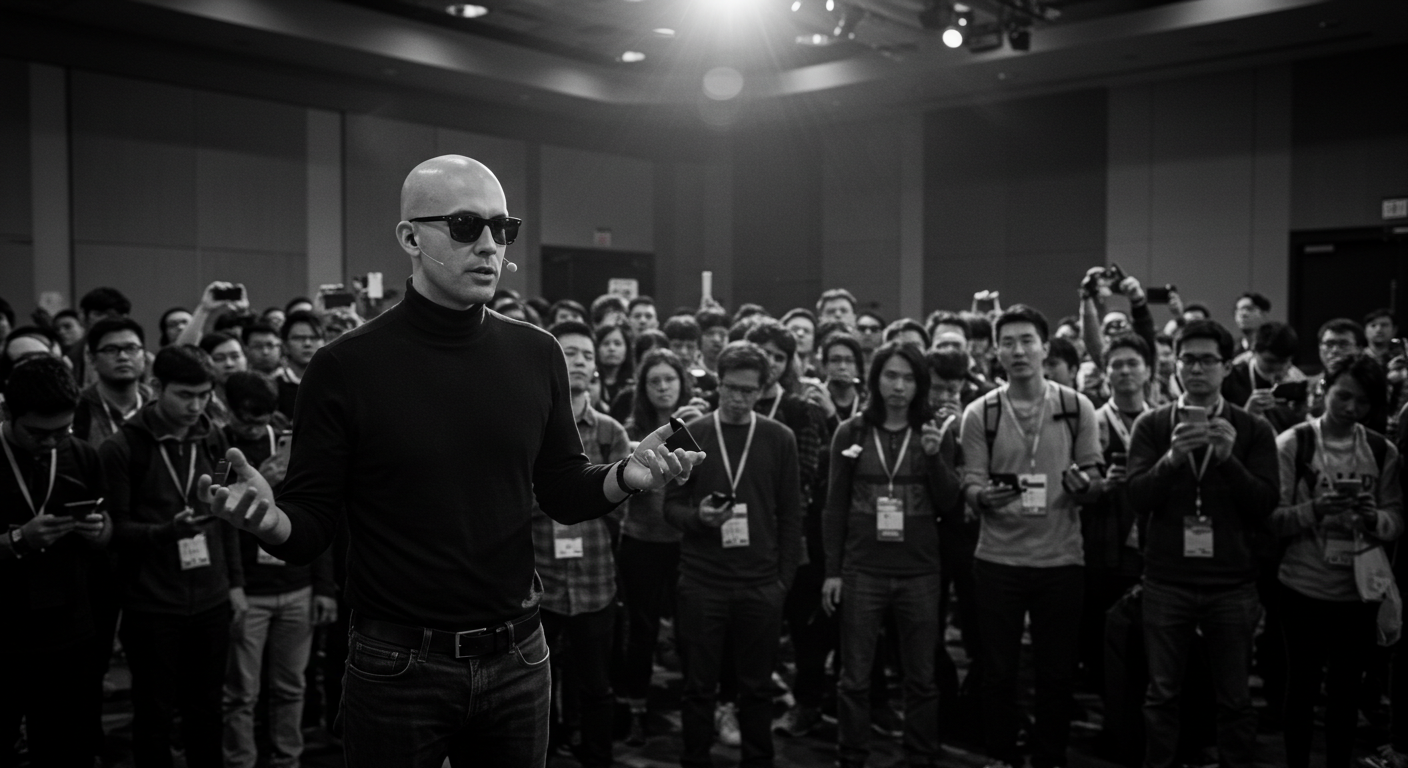
The rise of technology over the past two decades has created not just new industries and platforms, but also new social identities. Among them, none is more discussed—praised and criticized alike—than the tech bro. Seen as ambitious, disruptive, confident, and often arrogant, the tech bro represents both the best and worst of the technology startup ecosystem. From dorm-room coders to billionaire founders, tech bros have shaped the digital world we live in.
read more Evermore Park: A Living Fantasy World
The Origins of the Tech Bro
The concept of the tech bro started gaining visibility during the late 2000s and early 2010s, though its roots go back to the dot-com boom of the 1990s. As young, largely male coders began launching internet-based startups, a unique culture formed—part college fraternity, part digital disruptor.
Silicon Valley became the heart of this culture. Young men with laptops and oversized dreams flocked to the Bay Area to create the next big thing. Many were inspired by figures like Steve Jobs, Bill Gates, and later Elon Musk and Mark Zuckerberg. These early pioneers embodied a blend of technical expertise and relentless ambition.
The term “tech bro” emerged as a way to label a specific stereotype: a young, overconfident male entrepreneur or engineer, often with an inflated sense of his own brilliance. Unlike the geek or nerd archetype of the 1980s, the tech bro was cool, connected, and capitalized.
Defining the Tech Bro
The tech bro is more than just a person who works in tech. He embodies a cultural code. While not all tech workers are tech bros, and not all tech bros work in technology, several common characteristics define the stereotype:
1. Startup Obsession
Tech bros idolize startup culture. They often dream of founding a unicorn company and see entrepreneurship as the ultimate path to wealth and influence.
2. Casual Yet Curated Appearance
The uniform is a hoodie with a logo (usually a startup or venture capital firm), jeans, and expensive sneakers. It’s casual but clearly intentional.
3. Networking-Centric Lifestyle
Tech bros live by pitch decks, investor meetings, demo days, and LinkedIn connections. Their calendar is filled with tech events, Twitter threads, and private Slack channels.
4. Techno-Optimism
They believe technology can solve everything—from poverty to climate change. They are often blind to the social, historical, or ethical complexity of the issues.
5. Frat Boy Energy
There’s often an undercurrent of machismo or locker-room humor, carried over from college days. This has made some startup cultures feel exclusive or even hostile to outsiders.
Cultural and Economic Impact
Despite the controversy, it’s impossible to deny the tech bro’s influence. From reshaping communication to changing how we shop, eat, and date, tech bros have transformed the modern world.
A. Shaping Work Culture
The idea of open-office plans, flexible hours, remote work, and unlimited vacation days were pushed by tech bro-led companies like Google and Facebook.
B. Global Startup Ecosystems
Cities across the world—from Austin to Bangalore—have modeled themselves after Silicon Valley. This has led to the proliferation of incubators, accelerators, and venture capital.
C. Consumer Technology
Apps like Uber, Instagram, and Tinder—created or led by tech bros—have revolutionized how we move, socialize, and even find romantic partners.
D. Disruption as a Lifestyle
“Move fast and break things,” once Facebook’s motto, perfectly encapsulates the tech bro attitude. Disruption isn’t just a business goal; it’s a personal identity.
Criticism and Controversy
While the tech bro has driven innovation, he has also come under heavy fire for a range of problems within the industry:
A. Lack of Diversity
Tech bro culture is often male-dominated, with few women or minority voices in leadership roles. This has created environments that can feel exclusionary or even toxic.
B. Toxic Workplaces
Stories from companies like Uber, WeWork, and others have revealed internal cultures marked by bullying, overwork, sexism, and other serious issues.
C. Overhyped Products
Tech bros often raise massive funding on ideas that are poorly researched or unethical. When they fail, the fallout can be catastrophic for employees and users.
D. Ethical Blind Spots
From user privacy to AI bias, tech bros have been accused of prioritizing growth and disruption over ethical considerations. Facebook’s role in spreading misinformation is a key example.
Media and the Tech Bro Stereotype
Hollywood and media have both glamorized and satirized the tech bro. Shows like Silicon Valley on HBO present a hilarious, biting look at startup life, while documentaries like The Social Dilemma expose its dark underbelly.
Books such as Brotopia by Emily Chang critique the exclusionary culture of Silicon Valley, offering insider accounts of how tech bro dynamics have marginalized others.
This public scrutiny has started to change the narrative. Investors and consumers alike are asking harder questions about who builds our tech—and why.
The Evolution of the Tech Bro
The tech bro isn’t going away—but he is changing. A new generation of tech entrepreneurs is emerging with different values. Here’s how the archetype is evolving:
1. Embracing Diversity
Many startups now prioritize inclusive hiring and diverse leadership. Women, LGBTQ+ individuals, and people of color are gaining visibility in tech.
2. Values-Driven Business
Today’s founders are more likely to build mission-driven companies that consider social impact alongside profit.
3. Focus on Ethics
With the rise of AI and data-driven platforms, tech leaders are engaging with ethics in a serious way. Startups are building in ethical frameworks from the ground up.
4. Mental Health Awareness
The hustle culture is being challenged by a new emphasis on wellness, work-life balance, and burnout prevention.
Global Tech Bros
While Silicon Valley remains the epicenter, tech bros are a global phenomenon. In places like Berlin, Tel Aviv, Nairobi, and Shenzhen, local variations of the tech bro are thriving.
However, cultural differences influence how this persona appears. In some cultures, there’s less tolerance for arrogance and more focus on collective growth. Still, the core traits—ambition, confidence, and disruption—are present.
Future of Tech Culture Beyond the Bro
As technology becomes more integrated into daily life, the culture behind it becomes more critical. The tech bro may be fading as a dominant figure, replaced by collaborative teams, diverse leadership, and socially conscious founders.
Companies that succeed in the next decade will likely be those that balance ambition with humility, disruption with responsibility, and speed with sustainability.
The future of tech belongs not to a single archetype, but to a wide range of voices with the skills and values to build for all, not just the elite few.
FAQs
Q1: What is a tech bro?
A tech bro is a stereotype referring to a young, often male figure in the tech industry who embodies confidence, ambition, and startup culture—often to a fault.
Q2: Are all men in tech considered tech bros?
No. The term refers to a specific cultural type, not all men in tech. Many professionals in the industry work quietly and inclusively without fitting this mold.
Q3: Why is tech bro culture controversial?
Critics say it promotes toxic masculinity, lacks diversity, and prioritizes growth over ethics. It’s been linked to sexism, overhype, and workplace inequality.
Q4: Can women be tech bros?
Technically yes, but the term is strongly gendered. However, some argue that the attitudes associated with the tech bro—ego, hustle, disruptiveness—can cross gender lines.
Q5: Is the tech bro persona fading?
Yes. As awareness of ethical, social, and workplace issues grows, many in the tech world are rejecting the bro culture in favor of more inclusive leadership styles.
Q6: What industries are most affected by tech bro culture?
Startups, venture capital, social media, fintech, and AI-driven companies have been most shaped by tech bro attitudes and leadership.
Q7: How can companies move beyond tech bro culture?
By building diverse teams, promoting inclusive leadership, setting ethical standards, and prioritizing people as much as products.
Q8: Are there any positive aspects of tech bros?
Yes. Tech bros often bring energy, risk-taking, and a willingness to innovate. The problem arises when these traits are unchecked or used irresponsibly.
Q9: Is the tech bros a global figure?
Yes, though the expression may vary. From Europe to Asia, local variations of the tech bro are influencing emerging tech markets.
Q10: What’s replacing the tech broo?
More collaborative, thoughtful leadership styles. The industry is moving toward empathy, inclusivity, and responsibility alongside innovation.
Ray-Ban Meta Smart Glasses Review: The Perfect Blend of Style and Technology